Japan is one of the most rewarding countries to travel through, and one of the easiest to plan badly. Trains leave on the minute, popular restaurants take bookings weeks in advance, and the best-value rooms in Kyoto disappear the moment cherry blossom dates firm up. Get the order of decisions right, though, and the whole thing comes together surprisingly quickly. Here is the sequence that works.
Choose your season before anything else
Do this first, because it dictates both your budget and how early you need to book. Late March to early April is cherry blossom season: gorgeous, busy and expensive, and the timing shifts each year — forecasts are educated guesses, not promises. November brings autumn colour, mild weather and the best all-round conditions for a first visit.
Two periods to handle with care are Golden Week (late April to early May) and Obon (mid-August), when domestic travel peaks and prices rise accordingly. Summer is hot, humid and coincides with typhoon season. Winter is cold but quiet, good value, and excellent if you fancy skiing or a night in an onsen. If you want bargains and don't mind rain, late May and June are underrated.
How many days do you need?
Ten to fourteen days is the sweet spot for a first trip: enough for Tokyo, Kyoto and Osaka without living on trains. Seven days works only if you stay within one region. Bear in mind Japan is eight hours ahead of the UK in summer and nine in winter, so treat arrival day as a soft landing — eat, walk, sleep, start properly the next morning.
Sketch a route, then book an open-jaw flight
Most first-timers are better off with a one-way loop than doubling back. A shape that suits almost everyone:
- Tokyo — four nights. Markets, temples, neighbourhoods, day trip to Nikko or Kamakura.
- Hakone or the Fuji Five Lakes — one or two nights, for mountain views and a ryokan.
- Kyoto — three or four nights. Early mornings are the whole point; be out by seven.
- Osaka — two or three nights, with day trips to Nara and Himeji.
- Fly home from Kansai, not back from Tokyo.
Flying into Tokyo and out of Osaka usually costs little more than a return and saves you half a day of backtracking. If you have the time, add Hiroshima and Miyajima on the way west. If you don't, resist the urge to add a fifth city — first trips are ruined by itineraries, not by missing things.
Work out whether a rail pass is worth it
Since the nationwide JR Pass rose sharply in price, it is no longer the automatic purchase it once was. Write down your long-distance legs — Tokyo to Kyoto, Kyoto to Hiroshima, and so on — add up the individual fares, and compare. For shorter trips, regional passes such as the JR East passes, the Kansai-area passes or the Hakone Free Pass often work out better.
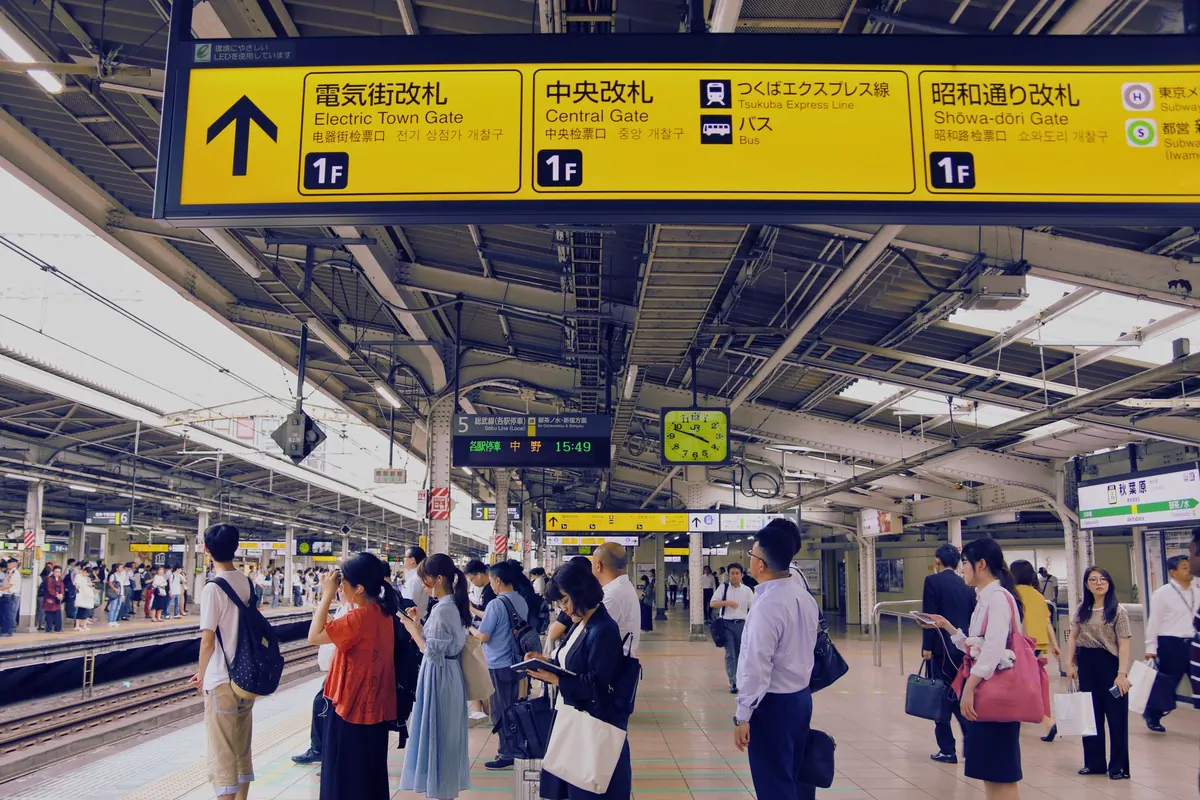
For city travel, use an IC card. Add a mobile Suica or ICOCA to your phone wallet, tap in and out on trains, buses and convenience stores, and top up as you go. Two practical notes: on the Tokaido and Sanyo shinkansen you need a seat reservation if your suitcase is very large, and you can send luggage ahead between cities with a same-or-next-day courier service (takkyubin) from most hotels — well worth it if you're moving around a lot.
Budget honestly, and choose where you sleep
Flights are the biggest variable. Booking three to six months out, midweek, outside school holidays is the reliable way to keep costs down. Accommodation splits into rough categories: business hotels (small, spotless, good value), hostels, capsules, and ryokan, which are the splurge — often including dinner and breakfast, which softens the price.
Eating is where Japan surprises people. Convenience store food is genuinely good, and teishoku set meals, ramen and standing sushi bars keep daily costs low. Splurge on one memorable meal rather than three. Tipping isn't expected anywhere and can cause confusion, and while cards are widely accepted in cities, cash still helps in smaller places; 7-Eleven ATMs generally accept UK cards. Check your bank's overseas fees before you travel and carry a second card as backup.
Learn the etiquette basics
You will make mistakes, and nobody will mind. But a handful of habits make everything smoother:
- Queues rule. Line up for trains, lifts and escalators. In Tokyo you stand on the left of an escalator; in Osaka it's the right.
- Trains are quiet. No phone calls, headphones on, and give up priority seats when needed.
- Don't eat while walking, except at festivals and designated spots.
- Shoes come off in ryokan, many temples and some restaurants. Pack socks without holes.
- Onsen: wash thoroughly before getting in, no swimwear, and check the tattoo policy before you go.
- Money goes on the small tray at tills rather than into a hand.
- Never stand chopsticks upright in rice — it echoes a funeral ritual.
When to book what
Work backwards from your dates. Rough lead times:
- Six to nine months ahead: flights, plus Kyoto hotels if you're travelling in cherry blossom or autumn colour season. Popular ryokan go early too.
- Three to six months: remaining accommodation, any domestic flights, and the rail pass once your route is fixed.
- One to three months: restaurants with booking policies, ticketed exhibitions and attractions, and sumo, which typically goes on sale about a month before each tournament.
- Two to four weeks: shinkansen seat reservations, airport transfers, a data eSIM, and ordering some yen.
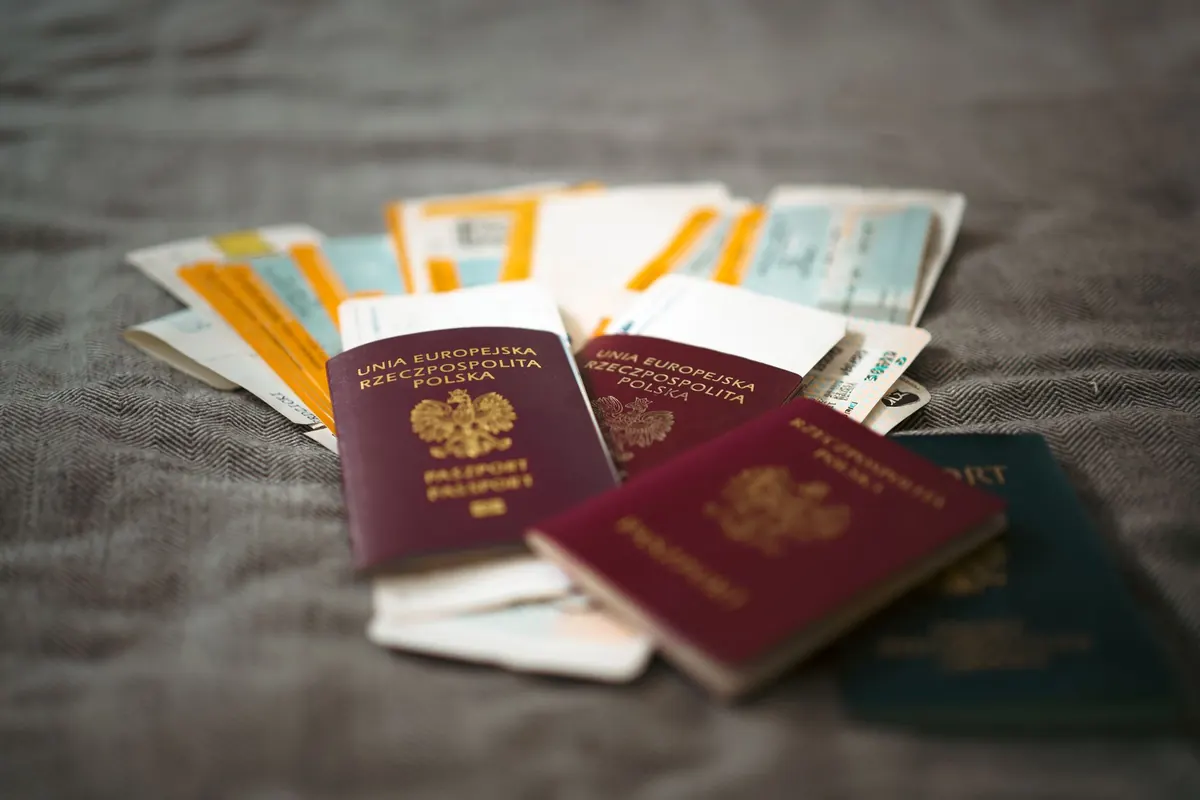
- Final week: download offline maps, tell your bank you're travelling, and check passport validity and entry requirements via the FCDO and the Japanese embassy.
Final preparations that pay off
Don't over-schedule. One anchor per day — a temple, a market, a museum — and let the rest be wandering, which is when Japan is at its best. Learn a few phrases: sumimasen (excuse me), arigatou gozaimasu (thank you), and a smiling daijoubu desu to wave off help you don't need.
Buy travel insurance that covers medical treatment, and if you take prescription medicine, check it's permitted in Japan — some common drugs are restricted, so speak to your GP or the Japanese embassy well before you fly. Sort a data eSIM or pocket wifi before departure, since reliable connectivity turns a good trip into an easy one.
Book the big things early, leave the small things loose, and your first trip to Japan will feel far less complicated than the guidebooks suggest.
Photo: Bruna Santos / Pexels