A fortnight in one carry-on bag sounds like a stunt until you've done it once. After that, the baggage carousel starts to feel like a hobby you used to have. The trick isn't ruthless minimalism or expensive kit. It's a system: a fixed set of clothes where everything works together, packing cubes that keep it honest, and a laundry plan that resets the whole thing on day seven.
Choose the bag before you choose anything else
Most carry-on failures start with the bag. Cabin allowances vary between airlines, and the gap between a generous one and a strict one is often several centimetres. Measure the tightest carrier on your route — usually a low-cost airline — and treat that as your ceiling. A bag that only just fits on paper tends to attract a fee at the gate.
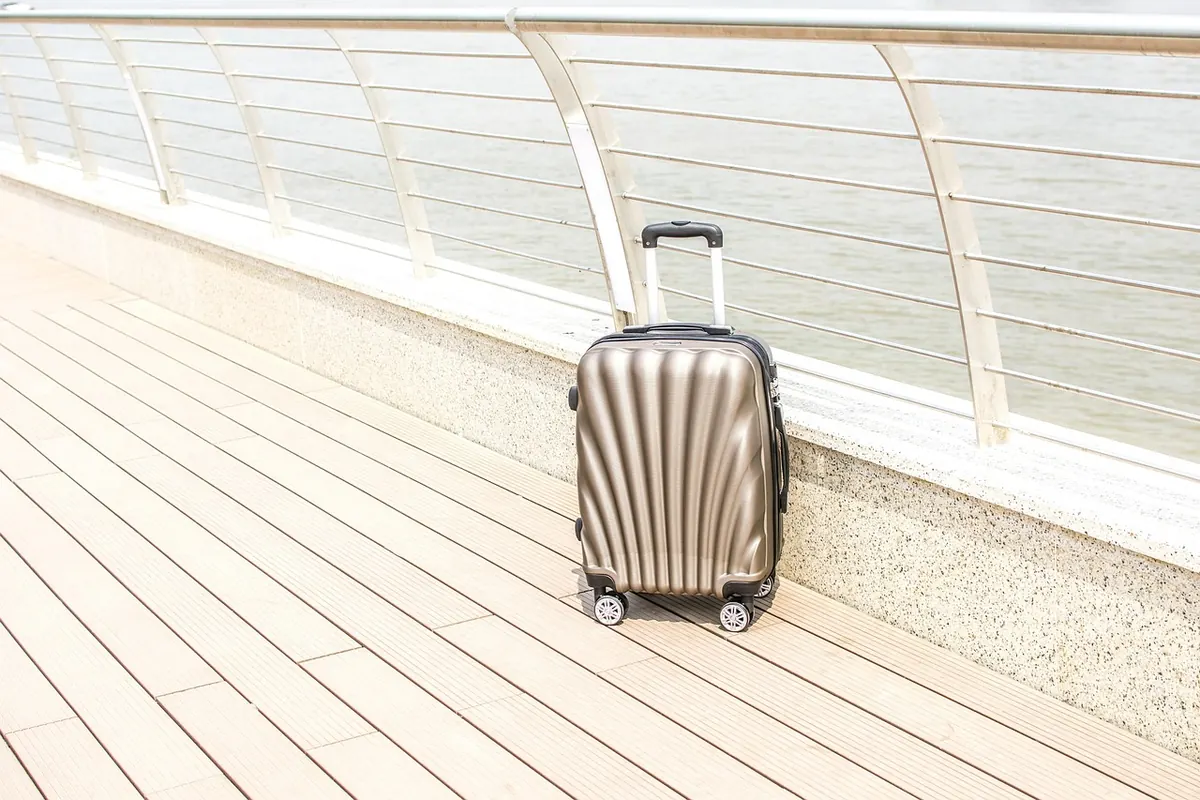
A clamshell that opens flat beats a deep top-loader. You can see everything at once, and you pack it like a small suitcase rather than a lucky dip. Soft-sided bags squash into overhead lockers more forgivingly; hard shells protect fragile items and cope better with a wet walk from the station.
Think about weight as well as volume. Some airlines weigh cabin bags at the gate, and a full 40-litre bag gets heavy quickly. Wearing your bulkiest shoes and jacket on the flight is the simplest way to keep the number down. Finally, pick a personal item that pulls its weight — a small backpack or tote under the seat in front gives you space for a laptop, chargers and documents, plus a change of clothes if your main bag is gate-checked at the last minute.
The capsule wardrobe: fewer clothes, more outfits
Pick a palette first
Two neutrals — navy and grey, or black and stone — plus one accent colour. Everything matches everything, and you stop making decisions at seven in the morning.
A two-week set that works
- 4–5 tops: three short-sleeve, one long-sleeve, one shirt
- 2–3 bottoms: trousers, shorts or a skirt, and one pair of jeans at most
- One dress or an extra smart layer if the trip needs it
- One mid-layer: fleece, cardigan or light jumper
- One waterproof shell that packs into its own pocket
- 7–8 pairs of socks and underwear, or 4–5 if you plan to wash
- Two pairs of shoes: comfortable walking shoes on your feet, one packable pair in the bag
- Swimwear, a hat and a scarf if the forecast calls for them
Avoid heavy cotton, thick denim and anything that only works with one other item. Merino and synthetic blends dry overnight, resist smells and pack small. That is the entire reason they cost more, and on a two-week trip it is money well spent.
Wear the bulky things. Flying in your heaviest shoes, jacket and jumper frees up a surprising amount of space. Keep a light layer in your personal item so you are not stuck in a coat on a warm plane.
Packing cubes: a system, not a scramble
Cubes do two jobs: they compress, and they enforce discipline. Sort by category, not by day — one cube for tops, one for bottoms, a small cube for underwear and socks, and a pouch for cables and chargers.
- Pack vertically. Fold or roll each item and stand it in the cube like a file. You can see the whole contents without unpacking.
- Use compression cubes sparingly. They are ideal for a fleece or a second pair of trousers, but over-tightening leaves hard creases.
- Carry a lightweight drawstring bag for dirty laundry, so clean clothes don't pick up the smell of whatever you wore on a long walk.
- Keep liquids in one pouch that comes out of the bag in a single movement at security.
- Fine-tune after the trip, not during it. Moving cubes mid-holiday usually makes the next repack worse.
Laundry once a week resets everything
Two weeks of clothes is really one week of clothes, washed once.
This is the part people skip, and it is the part that makes the whole thing possible. Plan a laundry session around day six or seven and the wardrobe above effectively doubles.
Sink washing: three to five items, a travel wash sheet or a few drops of detergent, warm water, ten minutes of gentle kneading. Rinse, then roll each item in a towel and press — the towel takes most of the water. Hang overnight on a line or a hanger near a window. Merino and synthetics are usually dry by morning; cotton often is not.
A laundrette mid-trip is usually cheaper than a hotel's per-item service and takes about an hour and a half. Slot it into a slow afternoon or an arrival day. Many hotels have guest machines that never appear on the website, so ask at reception. If you are washing in a hotel sink, be careful with fittings and never leave taps running.
Toiletries, liquids and the small stuff
Liquid rules vary between airports and are changing as new scanners are installed, so check the rule at your departure airport rather than assuming last year's limit still applies. Where a one-litre clear bag with containers of no more than 100ml is required, decant from full-size bottles at home and label them. You can travel comfortably with far less than the bag allows.
Solid alternatives save space and risk: shampoo and conditioner bars, solid deodorant, toothpaste tablets, a bar of soap. One small tin replaces shower gel and hand wash. Bring prescription medication in its original packaging with a copy of the prescription, and check the rules for your destination before you fly. For anything health-related, a pharmacist or travel clinic is a better guide than a packing list.
A two-week carry-on gear list
- 35–40 litre clamshell carry-on, measured against the strictest airline you're flying
- Three packing cubes plus one small compression cube
- One clear liquids pouch
- Lightweight drawstring laundry bag
- Travel wash sheets or detergent strips
- Elastic washing line and a universal drain plug
- Folding water bottle
- Universal adapter with two USB ports
- 10,000mAh power bank
- Compact umbrella or a packable shell
- Small first-aid kit: plasters, painkillers, rehydration sachets
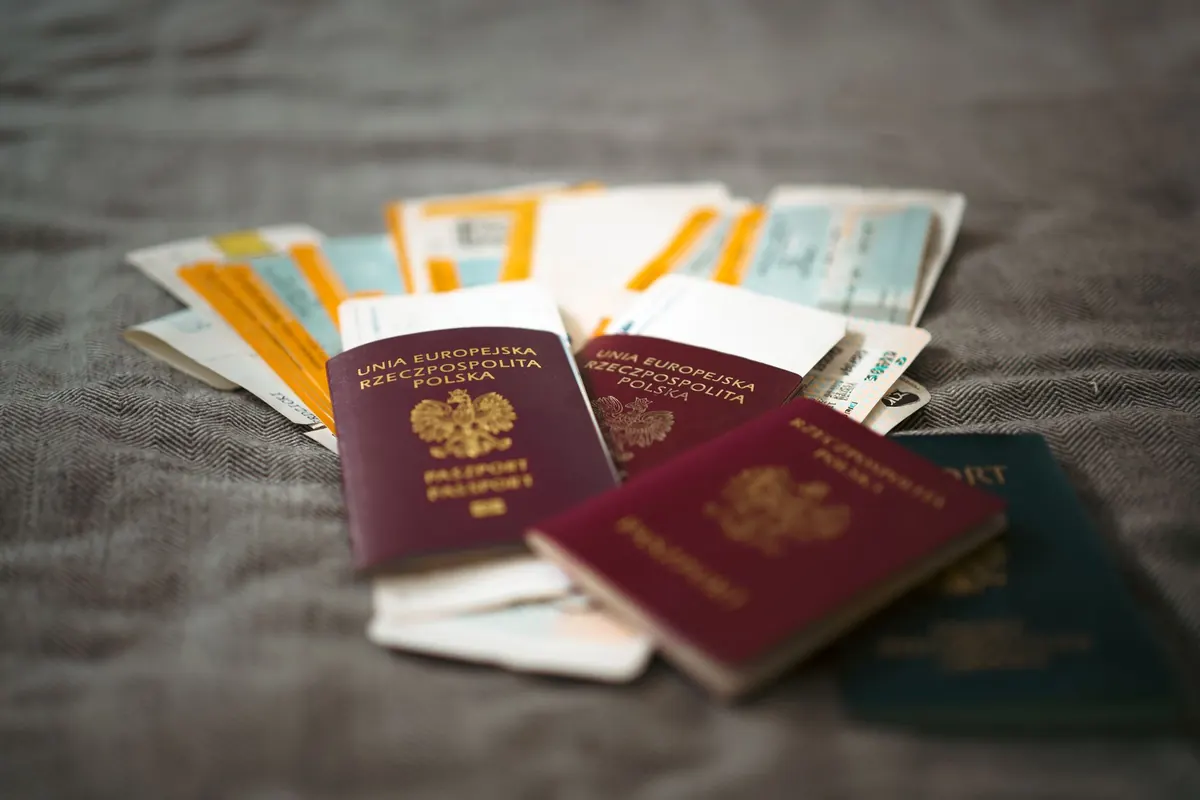
- Copies of passport, insurance and bookings — on paper and on your phone
Test pack at home, then trust it
Do a full pack a week before you leave, then carry the bag around the block. If it digs into your shoulder after ten minutes, something is coming out. If the zip needs two hands and a knee, take one item from each cube and try again.
After the trip, anything you didn't wear in the first three days stays home next time. Two weeks in one bag isn't about going without. It's about knowing exactly what's in there, where it is, and that you can carry it up three flights of stairs without regret.
Photo: huynhdatstc / Pixabay