Rome has a reputation for being expensive, and it can be. It can also be surprisingly affordable, provided you know where the money goes and which costs you can control. Flights and hotels will take the biggest bite out of your budget, but once you are there, a day of espresso, pizza, ancient ruins and bus rides can cost less than a day out in London. Here is what a week actually looks like, broken down day by day.
Accommodation: your biggest variable
Where you sleep will decide whether your week costs £600 or £1,600. In central Rome, expect to pay more for less space than you would in most UK cities. A double room in a three-star hotel near Termini or Monti might run £90–£150 per night, while the same money in a four-star near the Pantheon buys you a smaller room and a better view. Hostels are plentiful, with dorm beds often between £25 and £50 depending on the season, and private rooms in hostels can undercut hotels significantly.
Two things catch UK visitors out. First, Rome’s tourist tax is charged per person, per night, on top of your room rate, and it rises with the star rating of your accommodation. Second, prices jump hard in spring and autumn. If you can travel in late November, January or early February, you may pay half of what you would in May for the same room.
Ways to cut the cost
- Stay just outside the historic centre. Neighbourhoods such as Pigneto, Ostiense and San Lorenzo are cheaper, livelier and still well connected by metro and tram.
- Book direct with smaller hotels and guesthouses. Many will match or beat booking-site rates, and some throw in breakfast.
- Consider aparthotels or rooms with a shared kitchen if you are staying a full week. Making your own breakfast saves a genuine amount over seven days.
- Check whether your hotel charges the tourist tax in cash on arrival, and budget a few euros per person per night for it.
Food and drink: where Rome rewards you
Eating well in Rome is not the problem. Eating well cheaply is entirely possible if you follow local habits. Stand at the bar for coffee and you might pay around €1.20 for an espresso; sit down at a table on a piazza and the same coffee can cost three or four times as much. That single rule sums up Roman food economics.
A slice of pizza al taglio from a takeaway counter makes a filling lunch for a few euros. A plate of cacio e pepe or amatriciana in a modest trattoria generally lands somewhere between €10 and €15, and a carafe of house wine is often cheaper than a soft drink. Dinner for two with wine at a neighbourhood restaurant can comfortably come in under €50 if you avoid the streets immediately surrounding the Pantheon and Trevi Fountain.
For a rough daily figure: budget around €25–€35 per person if you eat like a student, €45–€65 for a comfortable mix of bar breakfasts, casual lunches and one sit-down meal, and €90 upwards if you want linen tablecloths and a long lunch.
Getting around: cheap, and mostly on foot
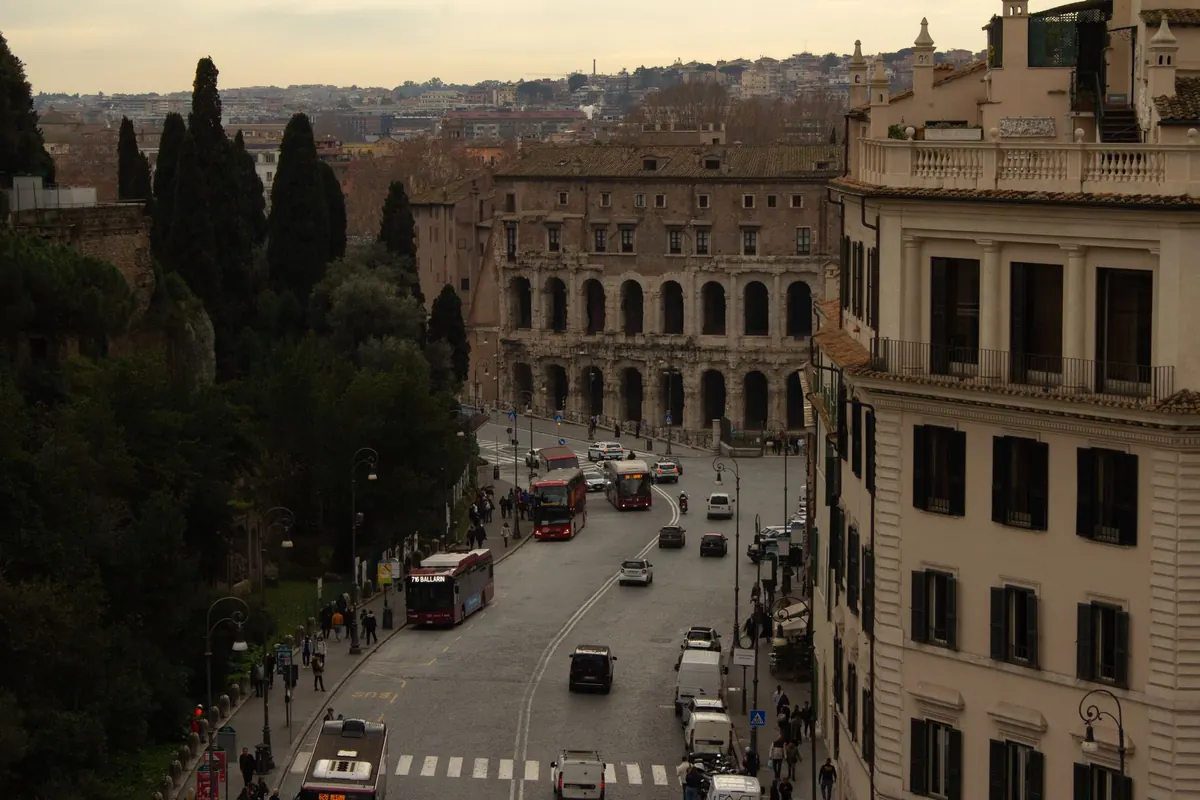
Central Rome is compact and walkable, which is the single best money-saving fact about the city. You will cover the Pantheon, Piazza Navona, the Trevi Fountain and the Spanish Steps in one afternoon without spending a cent on transport. Save your legs for the metro and buses when you are crossing the river or heading out to the Appian Way.
A single ticket covers buses, trams and the metro for 100 minutes, and a 24-hour ticket costs only a little more than two singles, so it pays for itself quickly on a busy day. Weekly passes are worth it if you are staying seven days and using public transport daily. Remember to validate your ticket; inspectors do fine passengers, and pleading ignorance rarely works.
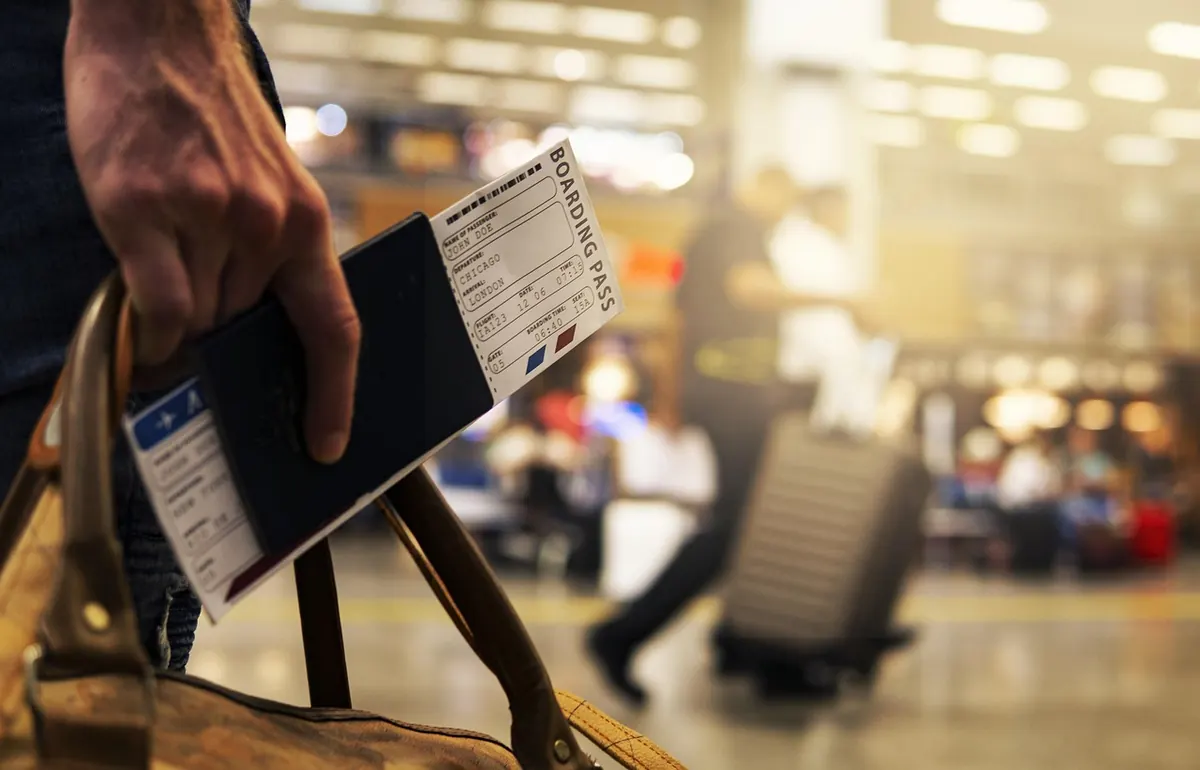
From the airports, the Leonardo Express train from Fiumicino into Termini is the quickest option, while slower regional trains and coach services cost considerably less. From Ciampino, the coach services used by UK travellers are the standard budget choice. Taxis from Fiumicino run on a fixed fare to the city centre, so agree the price before you get in, and use official ranks only.
Attractions: the part you can plan for
Rome’s headline sights are not free, but they are not ruinous either. The Colosseum, Roman Forum and Palatine Hill are covered by one combined ticket, valid for a set period, and you must book a timed slot for the Colosseum itself. The Vatican Museums cost a bit more, and booking direct through the official website is by far the cheapest route. Skip the touts outside the metro stations selling “skip-the-line” entry at inflated prices; official tickets sell out in peak season, so book weeks ahead and you will pay the published rate.
The good news is how much of Rome costs nothing. The Pantheon is now ticketed, but the Trevi Fountain, Spanish Steps, Piazza Navona, the Pantheon’s exterior, the Jewish Ghetto, Trastevere’s lanes, the Aventine keyhole and countless churches, including major basilicas, are free to wander. A morning spent walking from the Capitoline Hill down through the Forum viewpoints costs nothing at all.
A sensible approach for a week is to pay for two or three big-ticket sites and balance them with free wandering. If you plan to visit many museums, look into the city’s tourist passes, but do the sums first: they only pay off if you genuinely use the transport and entry they include.
A realistic daily budget
Putting it together, here is what a day in Rome tends to cost per person, excluding flights:
- Budget: roughly £55–£80, covering a hostel bed, bar coffee, pizza slices, one cheap meal and one paid attraction every other day.
- Mid-range: roughly £110–£170, covering a three-star double room (per person), breakfast included, a casual lunch, a trattoria dinner with wine, a transport pass and one or two tickets.
- Comfortable: £200 and up, covering a four-star central hotel, restaurants rather than counters, guided tours and the odd taxi.
Multiply by seven and add flights, which from the UK can range from £40 on a well-timed budget fare to £200 in school holidays. Verdict: a week in Rome for one person, staying mid-range and flying from a regional UK airport, commonly lands somewhere between £900 and £1,300. Do it cheaply and off-season, and £600 is achievable.
Practical tips before you book
Book flights and accommodation first, then build the rest of your budget around what is left. Carry a modest amount of cash for small cafés and the tourist tax, but pay larger bills by card. Always choose to be charged in euros rather than pounds when a card machine offers the choice, and check what your bank charges for overseas use before you travel; if you are unsure, ask your bank directly rather than relying on forum advice.
Fill a water bottle from the street fountains, known as nasoni, which run across the city and are perfectly safe to drink from. Eat your main meal at lunchtime, when many restaurants offer better value than at dinner. And leave one afternoon entirely unplanned. The best moments in Rome, from a quiet church courtyard to a plate of pasta you stumbled on by accident, are usually the ones that cost nothing at all.
Photo: Fatih Altuntaş / Pexels